
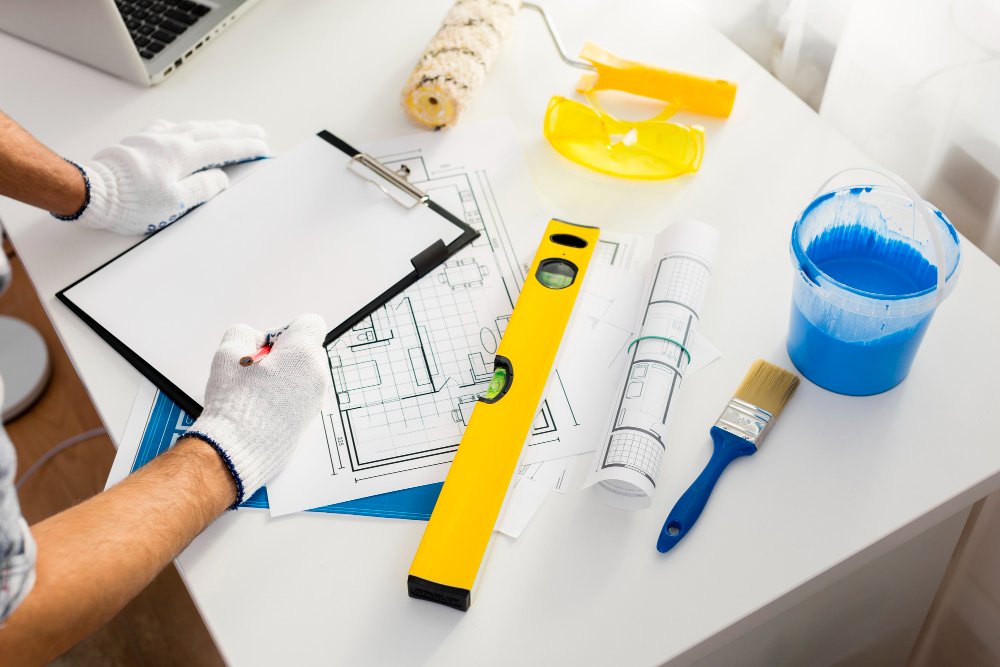
Every home has room to improve, but knowing where to begin can feel overwhelming. Should you focus on the kitchen, upgrade your windows, or improve your outdoor living space? The key is having a clear plan that balances your budget, lifestyle, and long-term goals.
This step-by-step guide will help you prioritize home improvements that enhance everyday comfort while increasing your property’s value for years to come.
Successful remodeling isn’t about making random upgrades—it’s about making intentional decisions. The best projects improve how your home functions while creating spaces that are easier to maintain, more energy-efficient, and more enjoyable to live in.
Before purchasing materials or hiring contractors, take time to evaluate your home’s current strengths and weaknesses. Careful planning almost always leads to better results.
Step 1: Identify Your Highest-Priority Improvements
Start by determining which areas of your home will deliver the greatest return, both financially and in everyday usability.
Focus on projects that solve real problems before cosmetic upgrades.
✓ Home Improvement Checklist
- ✓ Inspect roofing, siding, and windows.
- ✓ Evaluate kitchen functionality.
- ✓ Check bathroom condition and storage.
- ✓ Review lighting throughout the home.
- ✓ Assess insulation and energy efficiency.
- ✓ Examine outdoor living areas.
Step 2: Improve Functionality Before Focusing on Style
Beautiful spaces are important, but practical design should always come first. Ask yourself how each room supports your daily routine and where simple changes could make life easier.
Consider improvements such as:
- Adding better storage solutions.
- Opening traffic flow between rooms.
- Installing energy-efficient lighting.
- Replacing outdated fixtures and finishes.
- Upgrading insulation and HVAC systems.
These improvements often provide noticeable comfort while helping reduce long-term maintenance and operating costs.
Step 3: Plan for Long-Term Value and Professional Installation
Once you’ve established your priorities, create a realistic budget and timeline. Working with experienced professionals helps ensure every improvement complies with building codes and performs as expected.
Professional planning also helps coordinate materials, scheduling, and future upgrades, allowing your improvements to work together rather than as isolated projects.
✓ Before Construction Begins
- ✓ Finalize your project budget.
- ✓ Compare material options.
- ✓ Obtain necessary permits.
- ✓ Confirm installation schedules.
- ✓ Reserve a contingency fund for unexpected expenses.
Bringing It All Together
Thoughtful home improvements are about much more than updating appearances. By prioritizing structural integrity, functionality, energy efficiency, and quality craftsmanship, you create a home that supports your lifestyle today while remaining valuable well into the future.
Whether you’re planning one room or a complete renovation, following a structured approach helps every investment deliver lasting comfort, improved performance, and greater peace of mind.